
Travel Guide
A Journey Through Time: Discovering the Coptic Museum Cairo
13 min read
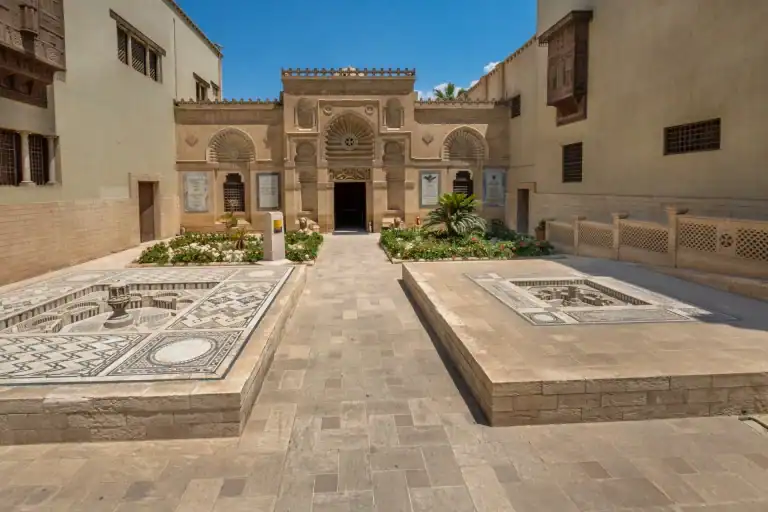
If you want to truly understand the multi-layered, incredibly rich history of Egypt, you must look beyond the towering pyramids of Giza and the majestic Islamic architecture of the medieval city. Nestled in the heart of Old Cairo, within the ancient walls of the Roman Babylon Fortress, lies a hidden gem that bridges the gap between the era of the Pharaohs and the Islamic conquest: the Coptic Museum Cairo.
Housing the largest collection of Egyptian Christian artifacts in the world, this magnificent institution is not merely a repository of antiquities; it is a vibrant narrative of resilience, faith, and cultural synthesis. It tells the story of a people who took the artistic heritage of ancient Egypt, infused it with Greco-Roman aesthetics, and ultimately helped shape the artistic traditions of the Islamic world. Whether you are a theology scholar, an art historian, or simply a curious traveler, exploring the Coptic Museum Cairo offers an unparalleled glimpse into a pivotal, yet often overlooked, chapter of human history.
What Does "Coptic" Mean?
Before diving into the halls of the museum, it is essential to understand the term "Copt." The word itself is an etymological journey. It derives from the Greek word Aigyptios (meaning "Egyptian"). When the Arabs conquered Egypt in the 7th century, they adapted the Greek term into Arabic as Qibt, which Western languages eventually anglicized into "Copt."
Originally, the term simply meant "an inhabitant of Egypt," regardless of their religious affiliation. However, as the majority of the country gradually converted to Islam over the ensuing centuries, the term "Copt" evolved to specifically identify the native Egyptian Christians who maintained their ancestral faith. Today, the Copts are recognized as the direct descendants of the ancient Egyptians, and the Coptic language—still used in church liturgies—is the final evolutionary stage of the ancient Egyptian tongue, written primarily in the Greek alphabet with a few demotic characters.
The Coptic Orthodox Church: A Distinct Tradition
To appreciate the artifacts within the Coptic Museum Cairo, one must grasp the unique theological and historical identity of the Coptic Orthodox Church. Founded in the first century by Saint Mark the Evangelist, who brought Christianity to the shores of Alexandria, the Coptic Church is one of the oldest Christian denominations in the world.
The Church forged its distinct identity through profound theological dedication and intense periods of persecution, first under the Roman Empire which gave birth to the Coptic calendar, also known as the "Calendar of the Martyrs" and later through theological schisms.
The most defining moment occurred at the Council of Chalcedon in 451 AD, where the Coptic Church split from the Byzantine and Roman churches over complex debates regarding the nature of Christ. This isolation from the rest of the Christian world fostered a highly unique, indigenous Egyptian Christian culture, characterized by early monasticism, distinct iconography, and a profound spiritual depth that is vividly reflected in the museum’s collections.
The History of the Coptic Museum Egypt
The creation of the Coptic Museum Cairo is a fascinating story of individual passion and national pride. At the turn of the 20th century, Coptic artifacts were scattered; many were stored in churches, while others were rapidly being bought by European collectors or displayed out of context in the Egyptian Museum of Antiquities.
Recognizing the urgent need to preserve this vital link in Egypt’s heritage, a prominent Coptic intellectual and visionary, Marcus Simaika Pasha, took action. In 1908, with the blessing of Patriarch Cyril V, Simaika Pasha began collecting artifacts and securing land adjacent to the ancient Hanging Church.
The museum was officially inaugurated in 1910. Simaika Pasha’s vision was inclusive and culturally unifying; the museum's construction was funded by donations from prominent Egyptians of all faiths, including Muslims and Christians alike. In 1931, the museum was officially recognized as a state institution under the Ministry of Antiquities, ensuring its long-term survival and allowing for a massive expansion that was completed in 1947.
Where is the Coptic Museum Egypt Located in Cairo?
The Coptic Museum Cairo enjoys one of the most historically evocative locations in the city. It is situated in the Mar Girgis (Saint George) area of Old Cairo (Masr El Qadima), precisely within the ancient, imposing boundaries of the Roman Babylon Fortress.
This specific area is universally known as "Coptic Cairo," a walled enclave characterized by narrow, winding cobblestone alleys, ancient churches, and an atmosphere of profound tranquility that contrasts sharply with the frantic pace of modern Cairo outside its gates. Because it is located directly beside the Mar Girgis Metro Station (Line 1), the museum is incredibly accessible for travelers navigating the city.
The Museum's Extraordinary Collections
When you step inside the Coptic Museum Cairo, you are stepping into a curated timeline that spans roughly from the 3rd to the 19th centuries. The collection comprises over 16,000 objects, elegantly displayed across two floors and multiple wings, chronologically and thematically organized.
Woodwork and Architectural Elements
Because wood was scarce in Egypt, the surviving wooden artifacts are incredibly precious. The museum houses breathtaking examples of carved wooden panels, doors, and altars. You will notice how early Coptic woodwork heavily borrowed from Pharaonic motifs—such as the ankh (the key of life) transitioning into the Christian cross and later seamlessly adopted the intricate, geometric interlacing patterns that became a hallmark of Islamic art.
Textiles and Weaving
Egypt has been famous for its linen since the days of the Pharaohs, and Coptic weavers were arguably the finest in late antiquity. The museum’s textile section features remarkably preserved garments, burial shrouds, and tapestries. These fabrics are woven with vibrant, natural dyes, depicting everything from classical Greek mythological figures (like Aphrodite and Hercules) to biblical scenes, demonstrating the complex cultural melting pot of late-antique Egypt.
Stone Carvings and Frescoes
The stonework collection highlights the architectural transition from pagan temples to Christian basilicas. You will find massive limestone capitals adorned with acanthus leaves and crosses, alongside spectacular, vividly colored frescoes painstakingly removed from ancient desert monasteries. These wall paintings, particularly those from the monastery of Bawit, offer a rare look at early Christian monastic life in the Egyptian desert.
Metals and Ceramics
From ornate bronze censers and iron processional crosses to intricately painted clay lamps and pottery, the everyday objects of the Coptic people are beautifully represented. These artifacts provide a tangible connection to the daily religious and domestic lives of ordinary Egyptians centuries ago.
Religious Manuscripts and Icons
The Nag Hammadi Library
Perhaps the most globally significant artifacts housed within the Coptic Museum Cairo are the Nag Hammadi manuscripts. Discovered in 1945 by local farmers in Upper Egypt, this collection of 13 leather-bound papyrus codices revolutionized modern biblical scholarship.
Written in Coptic, these texts contain the "Gnostic Gospels"—including the famous Gospel of Thomas, the Gospel of Philip, and the Apocryphon of John. These manuscripts provide a window into the diverse, mystical, and often controversial theological debates of early Christianity before the New Testament canon was officially solidified. Viewing these fragile, ancient pages is a pilgrimage for historians and theologians alike.
Ancient Bibles and Coptic Iconography
The museum also boasts an extensive collection of illuminated manuscripts, featuring Bibles and psalters written in Coptic and Arabic, decorated with brilliant gold leaf and vivid pigments.
Complementing the manuscripts is the museum's stunning collection of Coptic icons. Unlike Byzantine icons, which often appear highly stylized and austere, Coptic icons are characterized by their wide-eyed figures, flat two-dimensional perspectives, and a distinct lack of physical suffering. The famous 8th-century icon of "Christ and Saint Mina," where Christ is depicted placing a supportive, friendly arm around the saint's shoulder, perfectly encapsulates the warm, intimate spirituality of the Coptic tradition.
Exploring the Museum: What to Expect
- The Building Itself
The physical structure of the Coptic Museum Cairo is an architectural masterpiece in its own right. The façade elegantly mirrors the design of the neighboring Al-Aqmar Mosque, explicitly showcasing the deep artistic dialogue between Egyptian Christians and Muslims.
As you walk through the two-story building, you will be captivated by the elaborate Mashrabiya (intricately carved wooden lattice windows) that filter the intense Cairo sunlight, casting beautiful geometric shadows across the marble floors. The ceilings are a marvel, featuring painted wooden beams salvaged from ruined palaces and ancient mansions, ensuring that the building itself is just as historically significant as the artifacts it holds.
- Peaceful Gardens
Between the Old Wing and the New Wing lies a beautifully manicured, sunken courtyard garden. Shaded by mature trees and decorated with ancient stone capitals and Roman pillars, this garden offers a serene oasis. It is the perfect place to sit, rest, and reflect on the dense history you are walking through.
What Makes the Coptic Museum Cairo Unique?
While the entire collection is spectacular, ensure you do not miss:
The Patriarchal Throne: A magnificently carved wooden throne inlaid with ivory and ebony.
The Fresco of Christ in Majesty: A vibrant wall painting showcasing Christ surrounded by the four evangelists, a classic example of early monastic art.
The Psalms of David: A 4th-century book of Psalms, considered one of the oldest complete biblical manuscripts in existence.
The Pagan to Christian Transition Art: Look for the specific stone carvings where ancient Egyptian deities (like Horus slaying Set) are visually adapted to represent Christian narratives (like Saint George slaying the dragon).
Nearby Landmarks for Further Exploration
To visit the museum without exploring the surrounding enclave would be to miss half the story.
The Hanging Church (Al-Muallaqa): Directly adjacent to the museum is the Hanging Church, arguably the most famous church in Egypt. It earns its name because its nave is suspended over the passageway of the ancient Roman fortress's southern gate. Its wooden barrel-vaulted ceiling, designed to resemble the hull of Noah's Ark, is a breathtaking sight.
Church of Saints Sergius and Bacchus (Abu Serga): A short walk down a narrow alley brings you to Abu Serga, believed to be the oldest church in Cairo. According to powerful local tradition, this church was built directly over the crypt where the Holy Family (Mary, Joseph, and the infant Jesus) sought refuge during their flight into Egypt to escape King Herod.
The Ben Ezra Synagogue: Highlighting the multicultural reality of Old Cairo, the Ben Ezra Synagogue is situated just behind the museum. It is famous for the discovery of the "Cairo Geniza," a massive cache of medieval Jewish documents that reshaped our understanding of Mediterranean history.
Planning Your Visit to the Coptic Museum Egypt
To make the most of your journey into antiquity, practical planning is highly recommended. The Coptic Museum Cairo is well-organized, but knowing the logistics will enhance your experience.
Opening Hours and Admission
Operating Hours: The museum is open daily from 9:00 AM to 5:00 PM. The ticket window typically closes at 4:15 PM.
Admission Fees: While prices are subject to change by the Ministry of Tourism and Antiquities, the general entrance fee for foreign adults is approximately 230 to 250 EGP, with half-price tickets available for foreign students holding valid IDs. Egyptian nationals enjoy significantly discounted rates.
Note: Photography with a smartphone is usually permitted for free, but using professional cameras or tripods requires purchasing an additional photography ticket at the entrance.
Best Times to Visit
The best time to visit is early in the morning (around 9:30 AM) when the doors have just opened. The tour groups are usually still at the Pyramids, leaving the museum and the surrounding cobblestone streets blissfully quiet. Alternatively, late afternoon offers beautiful lighting through the Mashrabiya windows, though you must be mindful of closing time.
Creating a Comprehensive Itinerary
If you want to experience the best of Old Cairo, plan a half-day itinerary:
9:00 AM: Arrive at Mar Girgis Metro Station and head straight to the Coptic Museum Cairo while your energy is high and the crowds are low.
11:00 AM: Exit the museum and visit the Hanging Church located right next door.
11:45 AM: Walk down the stairs into the lower level of Coptic Cairo to visit the Church of Abu Serga (the Holy Family crypt) and the Ben Ezra Synagogue.
1:00 PM: Enjoy a traditional Egyptian lunch or a mint tea at one of the quiet, atmospheric cafes located just outside the fortress walls.
Why the Coptic Museum Egypt Matters
- Preserving a Unique Heritage
The Coptic Museum Cairo is essential because it preserves the "missing link" of Egyptian history. Too often, historical narratives jump straight from Cleopatra and the fall of the Pharaohs to the Arab conquest of Egypt. The Coptic era represents several centuries where Egypt was a profoundly Christian nation. The museum preserves the physical evidence of this era, ensuring that the Coptic identity remains a visible, celebrated pillar of the national story.
- Educational and Scholarly Value
For global academics, the museum is an unparalleled research hub. The preservation of the Nag Hammadi library alone makes it one of the most important institutions in the world for biblical archaeologists, linguists, and theologians studying the origins of early Christianity.
- Cultural Synthesis and Tolerance
Perhaps the most beautiful aspect of the Coptic Museum is its testament to cultural synthesis. As you walk its halls, you do not see isolated, segregated art. You see ancient Egyptian symbols transforming into Christian motifs; you see Christian woodwork employing Islamic geometric designs; you see Arabic calligraphy praising the Christian God. The museum stands as a monumental physical reminder of Egypt's long history of religious coexistence and cultural blending.
Frequently asked question
What is the Coptic Museum in Cairo famous for?
The Coptic Museum is famous for housing the world's largest, most comprehensive collection of Egyptian Christian artifacts. It is particularly renowned for possessing the Nag Hammadi Library (the Gnostic Gospels), its stunning transitionary stonework bridging Pharaonic and Islamic art, and its intricate ancient textiles and woodwork.
Where is the Coptic Museum located?
It is located in the Mar Girgis (Saint George) area of Old Cairo, situated directly within the ancient Roman Babylon Fortress and immediately adjacent to the famous Hanging Church.
What are the opening hours of the Coptic Museum?
The museum is open daily from 9:00 AM to 5:00 PM, including weekends and public holidays. The ticket office typically closes 45 minutes before the museum shuts its doors.
Conclusion
Coptic Museum Cairo stands as a vital guardian of Christian Egyptian history, faith, and artistry. Its impressive collections, immersive visitor experience, and refined architectural style set it among Cairo’s most memorable cultural destinations. For travelers and scholars alike, the journey through the Coptic Museum Cairo unveils the enduring contributions of Egypt’s Coptic community to world heritage.