
Travel Guide
The Ultimate Guide to a Desert Safari in Egypt: Destinations, Tips, and Tours
12 min read
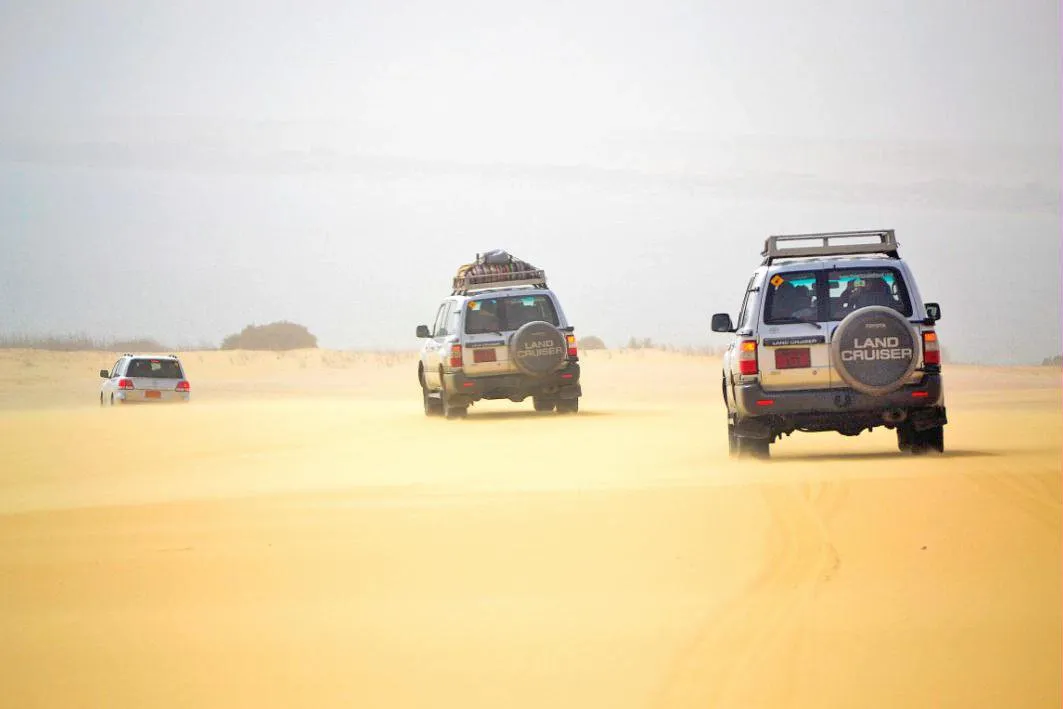
Looking for the ultimate adventure that takes you far off the beaten path? A desert safari in Egypt is far more than just driving through endless stretches of sand. It is a profound journey into a world of golden dunes, surreal limestone formations, ancient isolated oases, hidden fossilized oceans, and authentic Bedouin culture. While millions flock to the Pyramids of Giza or the temples of Luxor, those who venture into the Egyptian Sahara discover a completely different side of the country one characterized by absolute silence, raw natural beauty, and thrilling off-road exploration.
Whether you are seeking the adrenaline rush of 4x4 dune bashing, the peaceful serenity of eco-camping under the glowing Milky Way, or a deep dive into the history of ancient trade routes, the Egyptian wilderness offers an unmatched experience.
To ensure you get the absolute most out of your trip, it is essential to understand the vast differences between the desert regions, what to pack, the absolute best times to visit, and how to choose a reliable operator. This 2,000-word comprehensive guide covers every single detail you need to know to plan the perfect desert safari in Egypt.
The Geographical Majesty of the Egyptian Sahara
Before booking a tour, it is crucial to understand that Egypt’s deserts are not a single, monotonous landscape. The country is essentially divided into three major desert regions, each offering a radically different safari experience:
- The Western Desert (The Libyan Desert)
Covering more than two-thirds of Egypt's total landmass, the Western Desert is the undisputed king of the desert safari in Egypt. Stretching from the Nile River to the Libyan border, this massive expanse is home to the famous five oases: Bahariya, Farafra, Dakhla, Kharga, and Siwa. It is characterized by massive sand seas, towering dunes, and bizarre geological formations.
- The Eastern Desert (The Arabian Desert)
Located between the Nile River and the Red Sea, the Eastern Desert is vastly different from the West. Instead of rolling sand dunes, this region features a rugged, mountainous landscape composed of igneous and volcanic rocks. It is perfect for travelers staying in Red Sea resorts like Hurghada or Marsa Alam who want a quick, action-packed quad-biking or Jeep safari experience into the rocky canyons.
- The Sinai Peninsula
Bridging Africa and Asia, the Sinai Desert combines towering granite mountain peaks (such as Mount Sinai) with deep, winding, colorful canyons. It is deeply intertwined with religious history and traditional Bedouin culture, making it an incredible spot for hiking, camel trekking, and stargazing.
Top Destinations for a Desert Safari in Egypt
Not all desert tours are created equal. Depending on how much time you have and what kind of landscape you want to see, here is a detailed breakdown of the top destinations for your expedition.
- 1. The White Desert and Bahariya Oasis
If you want to feel like you have landed on the surface of the moon, this is the destination for you. Located about 4 to 5 hours from Cairo, Bahariya Oasis serves as the gateway to the Black and White Deserts.
The Black Desert: Your journey usually starts here, where the landscape is covered in volcanic, black-topped hills. Climbing "English Mountain" offers panoramic views of this striking, dark terrain.
The Crystal Mountain: A geological marvel between the oases, featuring a massive ridge composed entirely of sparkling quartz and calcite crystals.
The White Desert National Park: The crown jewel of any desert safari in Egypt. As you drive deeper, the black rocks give way to massive, wind-carved, snow-white chalk formations that look like giant mushrooms, chickens, and icebergs scattered across the sand. Camping overnight here among the surreal formations, sharing a meal with Bedouin guides, and watching the rocks change color at sunrise is a transformative experience.
- 2. Siwa Oasis and the Great Sand Sea
Located in the far northwest, just 50 km from the Libyan border, Siwa Oasis is isolated, culturally unique, and stunningly beautiful. The local Amazigh (Berber) population speaks their own language (Siwi) and maintains traditions distinct from the rest of Egypt.
The Great Sand Sea: Spanning over 72,000 square kilometers, this is where you go for serious 4x4 dune bashing. The dunes here can reach heights of over 100 meters, offering the ultimate playground for sandboarding and off-roading.
Salt Lakes and Hot Springs: After a long dusty day on your safari, you can float effortlessly in Siwa's hypersaline turquoise salt lakes (similar to the Dead Sea) or soak in the natural, warm thermal springs like Cleopatra’s Bath.
3. Fayoum Oasis and Wadi El Hitan (Whale Valley)
If you only have one or two days to spare, Fayoum is the perfect destination. Located just two hours south of Cairo, it offers an incredible mix of desert, lakes, and history.
Wadi El Hitan (UNESCO World Heritage Site): Millions of years ago, this desert was the bottom of the Tethys Ocean. Today, you can take a 4x4 safari to see fully intact, massive fossilized skeletons of ancient, walking whales scattered across the sand.
The Magic Lake and Wadi El Rayan: Enjoy sandboarding down dunes that plunge directly into natural lakes, or visit the Wadi El Rayan waterfalls—the only waterfalls in Egypt.
The Best Time and Days for a Desert Safari in Egypt
Timing is everything when it comes to the Sahara. The desert climate is famous for its extremes, and choosing the right month, day of the week, and even the lunar cycle can drastically alter your experience.
- The Best Seasons to Visit
Prime Season (October to April): This is universally the best time for a desert safari in Egypt. Daytime temperatures are pleasant, ranging from 20°C to 28°C (68°F to 82°F), making outdoor activities, hiking, and dune bashing extremely comfortable.
Winter Considerations (December to February): While the days are sunny and beautiful, night temperatures in the deep desert (especially in the White Desert and Siwa) can plummet to near freezing (0°C to 5°C). You will need heavy winter gear for evening camping.
Avoid the Peak Summer (June to August): Temperatures regularly exceed 45°C (113°F). The sand becomes too hot to walk on, and off-roading becomes physically exhausting. Most reputable operators limit their tours to short, early morning or late evening trips during these months.
- Choosing the Right Days of the Week
To maximize your sense of isolation and tranquility, pay attention to the Egyptian weekend. In Egypt, the official weekend is Friday and Saturday.
Weekdays (Sunday to Wednesday): If you want to feel like you are the only person on earth, book your overnight camping trip between Sunday and Wednesday. You will encounter fewer local tourist groups, and the campsites will be virtually silent.
Weekends: If you visit Fayoum or Bahariya on a Friday, expect to see more local Cairenes escaping the city. While it is festive, it is less secluded.
- The Lunar Cycle Strategy
Astrotourism is a massive part of a desert safari. Check the moon calendar before booking:
New Moon (No Moon): If your primary goal is stargazing and astrophotography, book your safari during a New Moon. The absolute darkness of the desert sky will reveal the Milky Way in staggering detail, along with countless shooting stars.
Full Moon: If you want a surreal, cinematic experience, book during a Full Moon. The moon in the desert is so bright that it illuminates the white chalk formations of the White Desert, allowing you to walk around at midnight without a flashlight. The landscape glows with a ghostly, magical silver light.
Expert Tips and Tricks for the Ultimate Safari
To navigate the desert like a seasoned explorer, you need more than just a good tour guide. Here are the insider tips and tricks that will elevate your desert safari in Egypt from good to flawless:
1. The Ziplock Bag Hack for Electronics
The desert is notorious for fine, powdery dust that can ruin expensive electronics. Bring multiple heavy-duty Ziplock bags. Keep your phone, DSLR camera, power banks, and lenses sealed in these bags whenever you are not actively using them, especially during windy 4x4 dune-bashing sessions.
2. Strategic Hydration (The Electrolyte Secret)
Drinking water is obvious, but drinking just water isn't enough in the desert. The dry air evaporates your sweat instantly, meaning you often don't realize how much fluid you are losing. Bring electrolyte powder packets or rehydration tablets to mix into your water bottles. This prevents the dreaded "desert headache" caused by salt depletion.
3. Layering is Your Best Friend
The desert operates on a micro-climate of extremes. You might be sweating in a t-shirt at 2:00 PM and shivering in a winter coat by 8:00 PM. Pack your clothing in a "layering system": a breathable cotton base layer, a fleece or sweater mid-layer, and a windproof jacket outer layer. Avoid synthetic fabrics like polyester for your base layer, as they trap heat and body odor.
4. Navigating the "Desert Bathroom"
If you are doing a deep desert overnight safari (like the White Desert), be prepared for "wild camping" meaning there are no built-in toilet facilities. Your Bedouin guides will set up a private, shielded spot behind a rock formation or dune. Always pack your own toilet paper, wet wipes, and small biodegradable bags to carry out your waste. Never leave trash in the desert.
5. Eye and Face Protection
When riding in an open-top Jeep or trying sandboarding, the wind whips up tiny sand particles. Sunglasses are mandatory, but polarized wrap-around sunglasses are even better. Additionally, buy a traditional Bedouin headscarf (Keffiyeh) locally. Your guide will happily show you how to wrap it around your head and face it is infinitely better than a standard hat for protecting your neck from the sun and your mouth from the dust.
6. Embrace the Digital Detox
Cellular service is virtually non-existent in the deep regions of the Great Sand Sea or the White Desert. Instead of desperately searching for a signal, inform your family beforehand that you will be off the grid for 24-48 hours. Download any necessary offline maps, playlists, or audiobooks in advance.
Essential Packing List & Preparation
To summarize your preparation, ensure these items are in your duffel bag (avoid hard-shell suitcases, as they are difficult to pack into 4x4 vehicles):
- Clothing: Breathable day-wear, thermal sleepwear, thick socks, and a heavy jacket.
- Footwear: Sturdy, closed-toe hiking shoes for rocky terrain, and slip-on sandals for moving around the campsite at night.
- Health & First Aid: High-SPF sunscreen, SPF lip balm (the dry wind causes severely chapped lips), moisturizing eye drops, and basic pain relievers.
- Lighting: A hands-free LED headlamp is crucial for navigating the campsite or finding your tent after the campfire goes out.
- Cash: Bring small denominations of Egyptian Pounds (EGP) for tipping your drivers and guides, or buying handmade crafts from local Bedouin women in the oases.
Why Choose Desert Cruise Travel for Your Expedition?
Venturing into the deep Sahara requires extreme expertise, flawless local knowledge, and strict safety protocols. A breakdown in the deep desert is not an inconvenience; it is a hazard. Here is why Desert Cruise Travel is the premier, trusted choice for organizing your desert safari in Egypt:
- Unmatched Professional Expertise: Our guides are not just drivers; they are local Bedouin experts who know the desert’s secrets, understand the shifting sands, and respect the ecosystem.
- Hassle-Free Security Permits: Traveling into remote border regions requires military, intelligence, and tourism police permits. We handle 100% of the bureaucratic paperwork behind the scenes so you can focus purely on the adventure.
- Elite Safety Standards: We utilize a premium fleet of modern, meticulously maintained 4x4 vehicles equipped with GPS, satellite communication capability, heavy-duty recovery gear, and comprehensive first-aid kits.
- Luxury & Tailor-Made Itineraries: Whether you desire a romantic VIP night under the stars with a private chef, or a robust family-friendly educational tour, we customize the pace, food, and activities to suit your exact needs.
The vast, haunting beauty of the Egyptian wilderness is waiting to be explored. Don’t settle for a generic, crowded tourist trap when you can have a bespoke, highly professional experience that prioritizes your comfort, safety, and sense of wonder.
FAQ
- Is a desert safari in Egypt safe for families and children?
Yes, absolutely. A desert safari in Egypt can be customized to be entirely family-friendly. While intense "dune bashing" might be too rough for toddlers, gentle 4x4 scenic drives, sandboarding on small dunes, and the magic of camping are highly enjoyable and safe for children. Professional operators like Desert Cruise Travel adapt driving speeds and activities to match the ages of all passengers.
- Do I need a permit for a desert safari in Egypt?
Yes, venturing into deep desert national parks (like the White Desert) or border-adjacent zones (like the Great Sand Sea in Siwa) requires official security and military permits. However, as a traveler, you do not need to visit any police stations. Licensed tour operators acquire all necessary permits on your behalf using your passport copies before the trip begins.
- Are there dangerous animals like scorpions or snakes in the desert?
While the Sahara is home to scorpions and desert snakes, encounters with them are incredibly rare, especially during the cooler tourist season (October to April) when these cold-blooded creatures hibernate deep underground. Your guides are experts at choosing safe, clear campsite locations. As a precaution, simply zip your tent up at night and shake out your shoes before putting them on in the morning.