
Travel Guide
El Moez Street | The Heart of Historic Cairo
5 min read
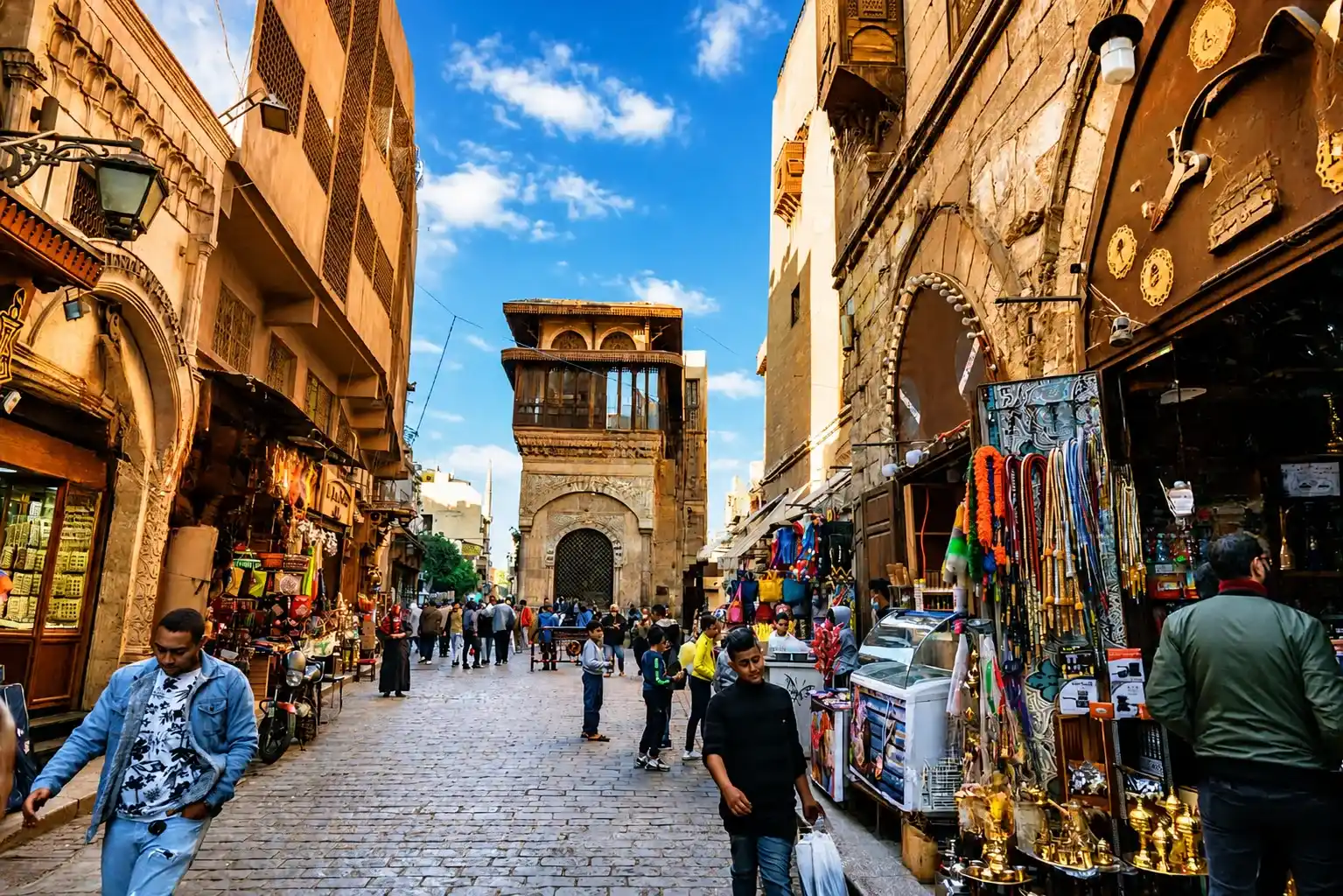
El Moez Street is one of the most iconic and historically rich streets in Cairo, Egypt. Known for its remarkable concentration of Islamic architecture, El Moez Street has played a pivotal role in shaping Cairo’s cultural and religious identity for over a thousand years. As a vibrant open-air museum, El Moez Street attracts visitors eager to explore its centuries-old mosques, palaces, markets, and madrasas. Walking along El Moez Street offers a unique immersive experience of Egypt’s medieval past, making it a must-visit destination for history enthusiasts and cultural travelers alike.
History of El Moez Street
El Moez Street, also known as Al-Muizz li-Din Allah Street, was established in the 10th century during the Fatimid Caliphate, named after Caliph Al-Muizz li-Din Allah. It served as the main artery of medieval Cairo, lined with palaces, mosques, madrasas, and markets. The street witnessed centuries of dynasties including the Ayyubid, Mamluk, and Ottoman eras, each contributing distinct architectural styles. El Moez Street became the political, religious, and economic hub shaping Cairo’s identity through Islamic history.
How to Get to El Moez Street
El Moez Street stretches through the heart of Historic Cairo, connecting Bab Zuweila in the south to the Al-Hussein Mosque area in the north. It lies inside the UNESCO World Heritage Site of Historic Cairo. To reach El Moez Street, visitors can take a taxi or ride-hailing service to the entrance at Al-Azhar Street or Bab Zuweila. It is easily accessible from the city center, and it is surrounded by other famous landmarks such as Khan El-Khalili bazaar and the Citadel, making it a central cultural axis.
What to See in El Moez Street
Visitors can engage in many activities along El Moez Street, such as:
Guided walking tours revealing layers of history and architectural magnificence.
Photography of remarkable Islamic architecture, including domes, minarets, and wooden mashrabiyas.
Shopping in traditional markets offering spices, textiles, and local crafts.
Dining at local cafes serving authentic Middle Eastern cuisine and tea.
Experiencing cultural events and evening visits under atmospheric lighting.
Key sites to visit to learn about El Moez Street’s history include:
Al-Azhar Mosque: One of the oldest universities and a global center of Islamic scholarship since 970 AD.
Qalawun Complex: A masterpiece of Mamluk architecture comprising a mosque, mausoleum, and hospital.
Baybars Mosque: Reflects Ayyubid architectural design commissioned by Sultan Baybars.
Sultan Hassan Mosque: Known for its grand scale and architectural grandeur near El Moez Street.
Museum of Islamic Art: Houses one of the world’s finest collections of Islamic artifacts showcasing Cairo’s cultural richness.
What Makes El Moez Street Unique?
El Moez Street is the longest medieval street in Cairo, packed with a high concentration of historical Islamic monuments that have remained largely intact. It uniquely blends residential, religious, and commercial buildings in a continuous living heritage site. Its architectural diversity and intricate designs across several centuries make it a UNESCO World Heritage Site and a rare living museum that tells the story of Cairo’s vibrant Islamic civilization.
Places to Visit to Learn About Moez Street’s History
To fully appreciate the historical significance of the area, consider visiting these prominent landmarks:
Al-Azhar Mosque: Founded in 970 AD, it serves as one of the oldest universities and a global center for Islamic scholarship.
Qalawun Complex: This site is a masterpiece of Mamluk architecture that features a hospital, a mausoleum, and a mosque.
Baybars Mosque: This structure reflects the Ayyubid architectural style and was commissioned by Sultan Baybars.
Sultan Hassan Mosque: This location is recognized for its grand scale and architectural magnificence, situated near the street.
Museum of Islamic Art: This museum is home to one of the world's most significant collections of Islamic artifacts, illustrating the cultural richness of Cairo.
Activities to Enjoy on Moez Street
Visitors can immerse themselves in the living history of the area through a variety of experiences:
Guided Walking Tours: These tours provide insights into the layers of history and the architectural beauty of the site.
Architectural Photography: The street offers incredible opportunities to photograph domes, minarets, and traditional wooden mashrabiyas.
Shopping: Visitors can browse through traditional markets to find local crafts, textiles, and various spices.
Dining: Local cafes offer an authentic experience, serving traditional Middle Eastern tea and cuisine.
Cultural Events: The area is ideal for evening visits, where the atmospheric lighting highlights the street's historical character.
Frequently Asked Questions
- When was El Moez Street established? It was established in the 10th century during the Fatimid Caliphate.
- What is the significance of El Moez Street in Cairo’s history?
- What are some must-visit sites on El Moez Street?
Conclusion
El Moez Street serves as an open-air museum that narrates Cairo’s illustrious history and rich cultural heritage. Whether walking beneath its majestic arches, exploring centuries-old mosques, or enjoying the bustling markets, visitors encounter the soul of historic Cairo in every step. This street is not just a destination but a journey through time, making it an essential experience for travelers seeking to connect with Egypt’s vibrant past. With the right guide or tour, exploration of El Moez Street becomes an enriching adventure into Islamic civilization and urban evolution.