
Travel Guide
Gilf Kebir Plateau Egypt’s Majestic Sandstone Barrier
6 min read
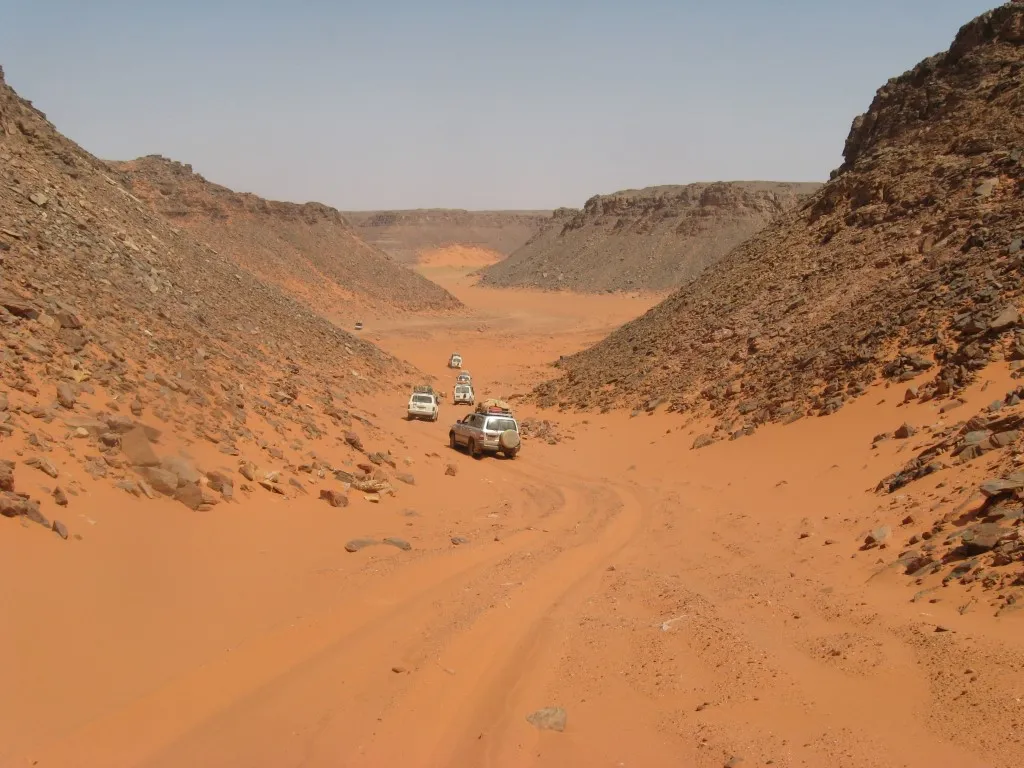
Deep in the southwestern corner of Egypt, where the borders of Libya and Sudan converge, lies a landscape so isolated and untouched that it feels like another planet. The Gilf Kebir Plateau a massive sandstone fortress rising 300 meters above the desert floor is not merely a destination; it is the final frontier for the modern explorer.
Covering approximately 7,770 square kilometers, the plateau is roughly the size of Puerto Rico. It is a place of profound silence, ancient secrets, and geological wonders. For those who feel the call of the wild, this guide will walk you through everything you need to know about navigating one of Earth's most enigmatic natural landmarks.
Historical and Archaeological Significance
Why do scientists and explorers travel thousands of miles to reach this remote corner? The answer lies in the Neolithic rock art.
Around 4000 BCE, the Sahara was significantly wetter, supporting a vibrant civilization. Today, the walls of the wadis serve as open-air museums.
The Cave of Swimmers: Immortalized by László Almásy (the inspiration for The English Patient), this site features hauntingly beautiful petroglyphs of humans swimming a stark contrast to the hyper-arid desert that surrounds it today.
The Cave of Beasts: Located in Wadi Sura, this site contains hundreds of painted handprints and mysterious animal-like creatures that continue to baffle archaeologists today.
How to Actually Reach the Plateau
This is the "gap" most travel blogs fail to fill. Traveling to the Gilf Kebir is not a standard vacation; it is a highly regulated expedition.
The Permits & Security
Because of its strategic location near international borders, you cannot simply drive into the Gilf Kebir. You require:
Military Permits: These take weeks to process and require a vetted, licensed local operator.
Expert Navigation: The terrain is devoid of roads. GPS coordinates, satellite phones, and experienced desert drivers are mandatory.
Self-Sufficiency: You must carry all fuel, water, and food for the duration of the trip, as there are zero amenities in the desert.
Why Desert Cruise Travel? We handle the heavy lifting. We secure the permits, provide specialized 4x4 vehicles, and ensure that your expedition meets the highest safety standards.
The Desert Cruise Experience: Beyond the Map
At Desert Cruise Travel, we believe that true exploration should not mean sacrificing comfort. We have mastered the art of "Remote Luxury."
Professional Catering: Forget dry rations. Our expeditions feature fresh, high-quality meals prepared by our desert-expert crew.
Comfortable Camping: We provide high-end, weather-resistant tents and sleeping setups designed to combat the temperature variations of the Sahara.
Safety First: Our vehicles are equipped with dual-fuel tanks, satellite communication, and first-aid kits. Our guides are trained in off-road recovery and desert survival.
The Best Time to Visit and What to Pack
The desert is unforgiving. To have a successful expedition, timing is everything.
The Window: Plan your trip between October and April. During these months, the daytime temperatures are moderate, and nights are crisp—perfect for the unparalleled stargazing that only the deep desert can offer.
Packing Essentials:
Layered Clothing: Desert days are hot; desert nights can drop below freezing.
Sun Protection: High-SPF sunscreen, polarized sunglasses, and a wide-brimmed hat.
Photography Gear: Extra batteries and dust-proof cases for your camera equipment.
Is the Gilf Kebir Safe for Tourists?
The Gilf Kebir is not a conventional tourist destination; it is a wilderness expedition zone. While international travel advisories often flag border regions due to their remote nature and the logistical challenges of providing traditional police protection, this does not mean the region is inherently dangerous for tourists.
The primary "risks" in the Gilf Kebir are environmental and logistical, not security-related. The desert is a harsh, unforgiving environment where survival depends on preparation, navigation, and expertise.
The "Desert Cruise" Safety Protocol
At Desert Cruise Travel, we transform this remote wilderness into a safe, managed adventure. We eliminate the risks associated with independent travel through:
Official Security Clearance: We coordinate extensively with Egyptian authorities to secure all necessary permits. Your safety is backed by government-approved itineraries and registered movement protocols.
Expert Desert Navigators: Our guides are seasoned desert experts. They know the topography intimately, ensuring you stay on safe, established tracks far from prohibited or hazardous zones.
Satellite Connectivity: In a region where mobile signals do not exist, our expeditions are equipped with satellite phones and GPS tracking devices, ensuring we remain in contact with our operations center at all times.
Redundant Logistics: Every expedition travels with multiple 4x4 vehicles, extra fuel, significant water reserves, and comprehensive medical kits. We operate with a "fail-safe" mindset, where every contingency is planned for.
Why Independent Travel is Never Recommended
We strongly advise against any attempt to visit the Gilf Kebir without a licensed, professional operator. The region requires:
Complex Logistics: Navigating the shifting sands and rocky plateaus without deep local knowledge can lead to getting lost or vehicle failure—a dangerous scenario in extreme temperatures.
Strict Regulations: Attempting to enter this area without official military permits can lead to legal issues and immediate expulsion by border patrols.
Frequently Asked Questions
Is it safe to travel to the Gilf Kebir?
When traveling with a professional, licensed operator like Desert Cruise Travel, yes. We coordinate with local authorities and ensure all logistical and security protocols are met to provide a safe and managed experience.
How long does a typical expedition last?
Due to the vast distance from Cairo, a complete Gilf Kebir expedition typically requires 7 to 10 days. This duration ensures you have enough time to fully appreciate the historic sites and unique landscapes without exhaustion.
Can I visit the Cave of Swimmers on my own?
No. Independent travel is strictly prohibited in this region for security reasons and to ensure the preservation and protection of these fragile, millennia-old archaeological sites.
Conclusion
The Gilf Kebir is not just a destination; it is a profound shift in perspective. To stand beneath a billion stars in the absolute silence of the Sahara, where Neolithic humans once walked, is a transformative experience.
If you are a traveler who values discovery over comfort and mystery over mainstream tourism, the Gilf Kebir is calling. Let Desert Cruise Travel be your gateway to this incredible frontier.
Start Your Journey Today
We specialize in tailor-made expeditions for adventurers who demand the best.