
Travel Guide
Saladin Citadel Egypt| History, Tickets & Complete Guide
14 min read
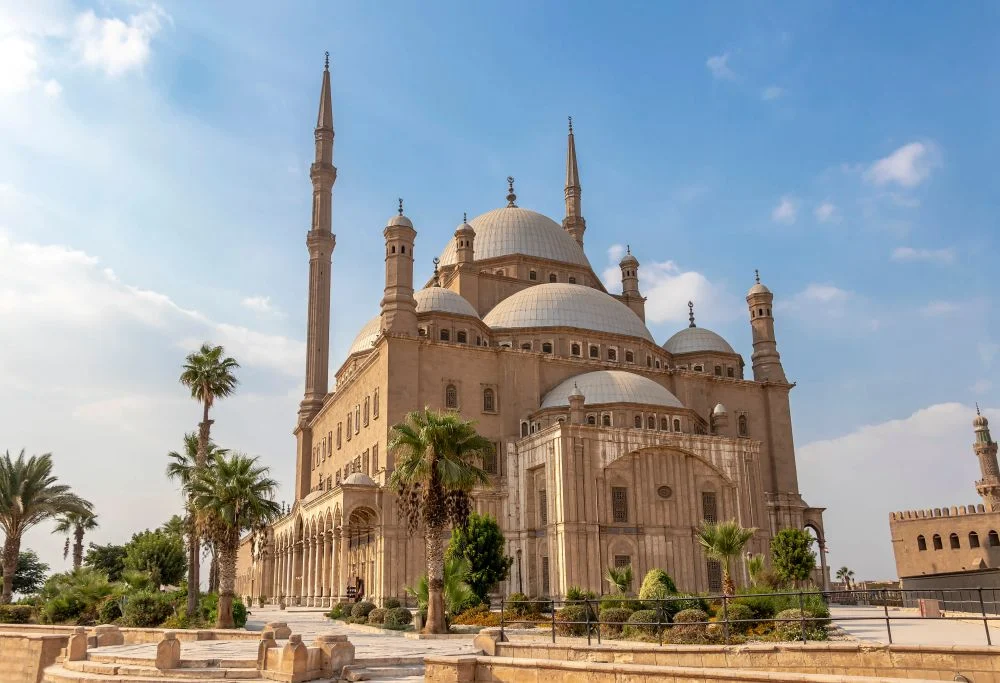
Saladin Citadel Egypt (also known as the Cairo Citadel or Qilaa Salah El-Din) is a monumental medieval Islamic fortification built in 1176. Perched on the Mokattam hills, it served as the official seat of the Egyptian government and its rulers for nearly 700 years, making it one of the most historically significant landmarks in the Middle East.
For seven centuries—from 1174 until 1860—every ruling monarch of the region directed the affairs of the state from within these formidable stone walls. Today, this UNESCO World Heritage site attracts hundreds of thousands of global travelers annually, offering a captivating journey through time. Beyond its military origins to defend against Crusader campaigns, the citadel has evolved into a sprawling complex of breathtaking mosques, specialized museums, and majestic palaces.
Whether you are a history enthusiast tracing the legacy of the Ayyubid and Mamluk dynasties, or a traveler seeking the most spectacular panoramic views of Cairo's skyline, this fortress delivers an unforgettable experience. In this comprehensive guide, we will explore the rich history, striking architecture, top internal attractions, and essential travel tips you need for a perfect visit to the citadel.
History of Saladin Citadel
The Saladin Citadel Egypt was commissioned by Salah ad-Din (Saladin) in 1176 CE to fortify Cairo against Crusader invasions. It functioned as the absolute center of Egyptian government for nearly seven centuries until Khedive Ismail relocated the royal residence to Abdeen Palace in the 1860s.
The construction of this colossal medieval fortress was a monumental engineering feat. Saladin recognized the strategic vulnerability of Cairo and Fustat, leading him to build a unified defensive wall integrating both cities, with the citadel acting as the commanding centerpiece. Historical records indicate that it took nearly seven years to complete the initial fortifications, finishing around 1183.
Throughout the centuries, the citadel evolved significantly. The Mamluk sultans transformed the military garrison into a lavish royal complex, adding majestic palaces and administrative buildings. Later, the Ottoman Empire heavily influenced the site's layout, reinforcing the walls and constructing prominent structures. This continuous development makes the fortress a living timeline of Egypt's ruling dynasties.
Architecture and Design of Saladin Citadel
The architecture of the citadel is a complex blend of medieval military engineering and ornate Islamic design. Initially defined by its massive limestone walls and rounded defensive towers built by the Ayyubids, the structure later incorporated exquisite Mamluk masonry and sweeping Ottoman domes.
The original defensive perimeter was masterfully designed to withstand prolonged sieges. The architects utilized local limestone, some of which was famously repurposed from the ancient monuments of Memphis and the Pyramids of Giza. The fortress features formidable cylindrical towers, such as Burg Al-Haddad (The Blacksmith's Tower) and Burg Al-Ramla (The Sand Tower), which provided defenders with a 360-degree tactical advantage against incoming threats.
Inside the walls, the architectural narrative shifts from military might to spiritual and royal grandeur. The complex is historically divided into two distinct areas. The Northern Enclosure was strictly military, housing the garrison and defensive structures. In contrast, the Southern Enclosure was dedicated to royal life, featuring sprawling palaces, administrative courts, and stunning mosques adorned with intricate geometric patterns, marble mosaics, and soaring minarets.
Top Attractions Inside Saladin Citadel
The top attractions inside Saladin Citadel Egypt include a diverse collection of historic mosques, military museums, and royal palaces that reflect different eras of Egyptian history. Far from being just a defensive structure, the citadel operates as a sprawling open-air museum, offering visitors a glimpse into the religious, military, and political life of Egypt's former rulers. The most prominent and visually striking landmarks within the complex are its magnificent mosques.
- The Mosque of Muhammad Ali
Often referred to as the "Alabaster Mosque," the Mosque of Muhammad Ali is the undisputed crown jewel of the citadel. Dominating the Cairo skyline, its massive central dome and towering 82-meter twin minarets are visible from almost any vantage point in the city.
Constructed between 1830 and 1848 by Muhammad Ali Pasha, the founder of modern Egypt, the mosque was designed in the classic Ottoman architectural style, heavily inspired by the Blue Mosque in Istanbul. The lower half of the exterior and the stunning main courtyard are clad in pure alabaster sourced from Beni Suef. Inside, visitors are greeted by a breathtaking interior featuring a massive spherical chandelier, intricate geometric decorations, and the ornate marble tomb of Muhammad Ali himself. Do not miss the monumental brass clock in the courtyard, a gift from King Louis Philippe of France in exchange for the obelisk that now stands in the Place de la Concorde in Paris.
- Al-Nasir Muhammad Mosque
The Al-Nasir Muhammad Mosque is the only surviving major Mamluk structure inside the citadel. Built in 1318 by Sultan Al-Nasir Muhammad, it served as the official royal mosque where the sultans of Cairo performed their Friday prayers.
Unlike the Ottoman-style mosques, this structure follows a traditional hypostyle layout a large open courtyard surrounded by shaded arcades supported by ancient Pharaonic and Roman columns. The mosque is visually distinguishable by its two spectacular, bulbous minarets adorned with green and blue Persian glazed tiles. Although the Ottoman conquerors later stripped much of its original marble paneling to decorate mosques in Istanbul, the Al-Nasir Muhammad Mosque remains a serene and authentic masterpiece of early Mamluk architecture.
- Sulayman Pasha Mosque
Constructed in 1528, the Sulayman Pasha Mosque holds the unique distinction of being the very first mosque in Egypt built entirely in the Ottoman architectural style. It was commissioned by the Ottoman governor Sulayman Pasha specifically to serve the Janissaries, the elite Ottoman troops stationed at the citadel.
Though much smaller and more intimate than the Mosque of Muhammad Ali, it is incredibly picturesque. The mosque features a traditional cascading central dome surrounded by smaller semi-domes, alongside a slender, pencil-shaped minaret. Inside, the sanctuary is beautifully restored, boasting exquisite painted woodwork, colorful floral patterns, and a peaceful courtyard that offers a quiet retreat from the busier areas of the fortress.
Museums Inside the Citadel
Beyond its stunning mosques, Saladin Citadel Egypt houses several fascinating museums that preserve the nation's rich military and royal heritage. These specialized institutions transform the fortress from a purely architectural marvel into a comprehensive educational experience.
- The National Military Museum
Located in the magnificent Harem Palace—originally built as the private residence of Muhammad Ali Pasha and his family the National Military Museum is a must-visit for history enthusiasts. It chronicles the evolution of the Egyptian armed forces from the Pharaonic era through the Islamic conquests, right up to the modern Arab-Israeli conflicts. The outdoor display features an impressive collection of historical artillery, fighter jets, and tanks. Inside, visitors can explore beautifully decorated halls filled with authentic uniforms, historic weaponry, and intricate dioramas detailing major battles.
- The National Police Museum
Situated near the Al-Nasir Muhammad Mosque, the Police Museum offers a unique, albeit slightly dark, perspective on Egyptian law enforcement. The exhibits cover notorious political assassinations and famous criminal cases, including the infamous story of Raya and Sakina, Egypt's most notorious serial killers from the 1920s. The museum is housed in a former prison, adding an authentic and eerie atmosphere to the experience.
Hidden Gems and Lesser-Known Areas of the Citadel
While the massive alabaster domes draw the most crowds, the citadel conceals several lesser-known treasures that are well worth your time. Exploring these hidden gems provides a quieter, more intimate connection with the site's layered history.
Al-Gawhara Palace (The Bijou Palace): Built in 1814, this was Muhammad Ali's personal audience palace. Although it has suffered fire damage over the years, it still showcases unique Ottoman-European architectural influences, including a stunning central hall featuring a heavy, gold-gilded chandelier and rare 19th-century European furniture.
Bab Al-Azab: Located in the lower enclosure, these imposing twin-towered gates witnessed one of the bloodiest and most pivotal events in Egyptian history: the 1811 Massacre of the Mamluks. While access to the immediate interior is often restricted, walking near these gates allows you to stand exactly where Muhammad Ali consolidated his absolute power.
Panoramic Views and Photography Spots
Saladin Citadel Egypt offers arguably the most spectacular, uninterrupted panoramic views of Islamic Cairo, making it a premier destination for photography enthusiasts and casual travelers alike.
The absolute best vantage point is the expansive Western Terrace located just outside the Mosque of Muhammad Ali. From here, the sprawling, minaret-studded skyline of Old Cairo unfolds beneath you. Directly below, you can photograph the massive, paired complexes of the Sultan Hassan and Al-Rifa'i mosques.
Pro Photography Tip: Visit during the late afternoon. The "golden hour" lighting beautifully illuminates the ancient limestone walls of the fortress and casts a warm glow over the sprawling city. On exceptionally clear days, look closely toward the western horizon—you can actually capture the majestic Pyramids of Giza looming faintly in the distance behind the urban sprawl.
Historic Events That Shaped the Citadel
The Saladin Citadel Egypt has been the silent witness to some of the most dramatic and transformative events in Egyptian and Middle Eastern history. It was not merely a royal residence; it was the ultimate prize for any ruler seeking to control the region.
Originally built to defend against the threat of the Crusades in the 12th century, the fortress successfully protected Cairo from numerous sieges. Later, during the French Campaign in Egypt in 1798, Napoleon Bonaparte’s troops famously occupied the citadel, partially destroying sections of the ancient walls to establish their own military stronghold.
However, the most notorious event to occur within these walls was the 1811 Massacre of the Mamluks. In a ruthless but politically calculated move, Muhammad Ali Pasha invited the Mamluk leaders—who had ruled or heavily influenced Egypt for centuries—to a celebratory feast at the citadel. As they departed through the narrow passageways near Bab Al-Azab, his soldiers ambushed and assassinated them, effectively ending Mamluk influence in Egypt forever and solidifying Muhammad Ali’s absolute reign.
Why Saladin Citadel Is a UNESCO World Heritage Site
In 1979, the Saladin Citadel was officially inscribed as a UNESCO World Heritage Site as a vital component of "Historic Cairo" (Islamic Cairo).
The UN agency recognized the site for its unparalleled historical and architectural significance. The citadel complex encapsulates over 700 years of continuous cultural evolution, displaying a remarkable fusion of Ayyubid military engineering, Mamluk architectural elegance, and Ottoman imperial grandeur. UNESCO highlighted its importance not just as a defensive fortress, but as a thriving urban center that shaped the political and religious landscape of the Islamic world during the Middle Ages. Today, it remains one of the world's oldest and most intact medieval fortresses.
Visiting Saladin Citadel: Tickets, Opening Hours, and Visitor Information
Planning a trip to the Saladin Citadel Egypt requires a bit of preparation to ensure a smooth and enjoyable experience. The complex is vast, and knowing the logistics beforehand will save you time and energy.
- Opening Hours and Ticket Prices
The citadel is generally open to the public seven days a week. However, hours may vary slightly during the holy month of Ramadan or on national holidays.
| Visitor Information | Details |
| Regular Opening Hours | 8:00 AM – 4:30 PM (Daily) |
| Ramadan Hours | 8:00 AM – 3:30 PM |
| Adult Ticket (Foreigners) | 550 EGP (approx. $11 - $12 USD) |
| Student Ticket (Foreigners) | 275 EGP (Valid student ID required) |
Essential Visitor Tips
Dress Code: Because the citadel houses several active mosques, visitors must adhere to a modest dress code. Both men and women should wear clothing that covers their shoulders and knees. Women may be asked to cover their hair before entering the Mosque of Muhammad Ali.
Footwear: You will need to remove your shoes before entering the mosques. It is highly recommended to wear slip-on shoes and bring a clean pair of socks for walking on the carpeted floors.
Best Time to Visit: Arrive early in the morning (around 8:30 AM) to beat the heavy tourist crowds and the midday heat, or visit in the late afternoon to catch the spectacular "golden hour" light for photography.
How to Get to Saladin Citadel
Getting to the Saladin Citadel Egypt is relatively straightforward, though navigating Cairo’s bustling traffic requires a bit of planning. The fortress is located on the Mokattam Hills, overlooking the central Islamic Cairo district along Salah Salem Street.
The most convenient, safe, and stress-free way to reach the citadel is by using ride-hailing apps like Uber or Careem. These services provide fixed upfront pricing and drop you off directly at the main entrance gate, avoiding the need to negotiate with local taxi drivers.
If you prefer using the Cairo Metro, be aware that there is no direct station right next to the citadel. The closest metro stations are Bab El-Shaaria or Sayyeda Zeinab, but you will still need to take a short, 10-to-15-minute taxi ride from either station to reach the hilltop entrance.
Travel Tips for Visiting Saladin Citadel
To maximize your experience at this historic marvel, consider these practical travel tips:
Allocate Enough Time: Plan to spend at least 2 to 3 hours exploring the complex. This allows enough time to view the mosques, visit the military museum, and take photos from the panoramic terraces.
Hire a Local Guide: While you can wander independently, hiring a licensed, English-speaking Egyptologist adds immense value. They can decode the intricate Islamic architecture, point out hidden details, and share the dramatic history of the Mamluk massacre.
Prepare for the Sun: The massive courtyards offer very little shade. Bring sunglasses, wear sunscreen, and carry a bottle of water, especially if you are visiting during the scorching summer months (May to September).
Nearby Attractions Around Saladin Citadel
Because the citadel is situated in the heart of Islamic Cairo, it is perfectly positioned to be combined with other nearby historical landmarks in a single day trip:
Al-Azhar Park: Just a 5-minute drive away, this lush, beautifully landscaped park offers a perfect place to relax after exploring the fortress. It also features fantastic restaurants with views of the citadel at sunset.
Sultan Hassan and Al-Rifa'i Mosques: Located directly below the citadel, these twin architectural masterpieces are among the largest and most impressive mosques in the Islamic world.
Khan el-Khalili Bazaar: A 15-minute taxi ride will take you to Cairo’s most famous medieval market, ideal for buying souvenirs and experiencing local culture.
Saladin Citadel vs Other Famous Cairo Landmarks
When planning your Cairo itinerary, you might wonder how the citadel compares to other iconic sites.
While the Giza Pyramids represent the ancient Pharaonic era (built around 2500 BCE) and focus on monumental tombs, the Saladin Citadel represents the medieval and Islamic eras (built in the 12th century CE) and focuses on military fortifications, royal life, and active religious worship. Furthermore, unlike the Egyptian Museum, which houses artifacts in indoor glass cases, the citadel is an immersive, open-air architectural experience. Both the Pyramids and the Citadel are absolute must-visits, but they offer entirely different historical atmospheres.
Interesting Facts About Saladin Citadel
Joseph’s Well (Bir Yusuf): To ensure the fortress had a secure water supply during sieges, Saladin’s engineers carved an astonishing 85-meter-deep well entirely through solid rock, using a spiral staircase for oxen to descend and turn the water wheels.
Recycled Pyramids: Much of the outer defensive limestone walls of the original citadel were constructed using stones dismantled from the smaller, ancient pyramids at Giza and structures in Memphis.
Frequently Asked Questions About Saladin Citadel
How long does it take to visit the Saladin Citadel?
A comprehensive visit takes about 2 to 3 hours. This gives you ample time to explore the Mosque of Muhammad Ali, the National Military Museum, and the panoramic viewpoints without feeling rushed.
Is the Saladin Citadel wheelchair accessible?
Accessibility is limited. While the main courtyards and the Mosque of Muhammad Ali can be accessed, the terrain includes uneven cobblestones, steep inclines, and stairs that can make navigating with a wheelchair challenging.
Can I go inside the mosques at the Citadel?
Yes, visitors of all faiths are welcome inside the mosques. However, you must dress modestly (covering shoulders and knees) and remove your shoes before entering the carpeted prayer areas.
Conclusion
The Saladin Citadel Egypt is much more than just an ancient defensive wall; it is the beating historical heart of Cairo. From the strategic brilliance of Salah ad-Din to the sheer ambition of Muhammad Ali Pasha, this UNESCO World Heritage site offers a rare, tangible connection to the rulers who shaped the Middle East. With its breathtaking Ottoman and Mamluk architecture, fascinating museums, and the most stunning panoramic views of the city, a visit to the citadel is an unforgettable highlight of any Egyptian adventure. Whether you are a history buff or a casual traveler, make sure this majestic fortress is at the top of your Cairo itinerary.