
Travel Guide
The Ultimate Guide to Snorkeling in the Red Sea: Egypt’s Paradise Beneath the Waves
11 min read
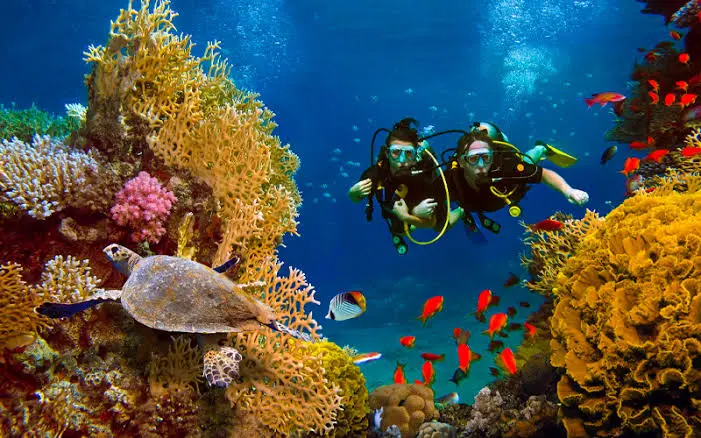
Imagine floating on the surface of a crystal-clear ocean, the warm sun on your back, while just beneath you lies a sprawling, kaleidoscopic metropolis of vibrant corals and exotic marine life. Snorkeling in the Red Sea is not just a vacation activity; it is a transformative journey into one of the most biodiverse and visually stunning underwater ecosystems on the planet.
Stretching majestically between the arid deserts of North Africa and the Arabian Peninsula, the Red Sea represents a spectacular contrast of environments. Above the water, you have dramatic, sun-baked mountains and sweeping sand dunes. Below the water, you discover a thriving, densely populated marine wonderland.
Whether you are a complete beginner looking to dip your toes into tranquil, shallow lagoons, or an experienced aquatic adventurer seeking dramatic drop-offs and encounters with rare marine species,
Why the Red Sea is the World’s Premier Snorkeling Destination
The global reputation of the Red Sea as a snorkeling mecca is not a coincidence; it is the result of a perfect storm of geographical and climatic conditions.
- Unrivaled Biodiversity and Endemism The Red Sea is home to over 1,200 species of fish and more than 300 species of hard and soft corals. What makes this body of water truly special is its high rate of endemism. Approximately 10% to 15% of the marine life found here exists absolutely nowhere else on Earth. When you snorkel these reefs, you are witnessing an exclusive display of nature.
- Exceptional Visibility Unlike many other global snorkeling hotspots, the Red Sea receives almost no river runoff, meaning there is virtually no sediment or silt washing into the ocean to cloud the water. Combined with minimal rainfall, this results in staggering underwater visibility that often exceeds 30 to 40 meters (100 to 130 feet). It feels less like swimming in an ocean and more like floating in a pristine, high-definition aquarium.
Year-Round Sunshine and Stable Temperatures The Red Sea Riviera enjoys a spectacular desert climate, offering year-round sunshine. The water temperatures rarely drop below 21°C (70°F) even in the depths of winter, and they can soar to a bath-like 29°C (84°F) in the summer. This stability allows the massive coral reef systems to thrive and grow into complex, architectural wonders.
The Best Snorkeling Destinations in the Red Sea
While the entire coastline is spectacular, the Red Sea is vast, and different regions offer entirely different underwater experiences. Here are the top four destinations you must consider for your snorkeling itinerary.
- Marsa Alam: The Pristine Southern Frontier
If you are looking for untouched nature, absolute tranquility, and the chance to see some of the ocean’s rarest creatures, Marsa Alam is the undisputed champion. Located far to the south, this area has avoided the heavy development of the northern resorts, resulting in phenomenally healthy reefs.
Abu Dabbab Bay: This is arguably the most famous snorkeling site in the south. The bay features expansive underwater seagrass meadows that serve as a feeding ground for two of the Red Sea’s most beloved residents: the massive, gentle green sea turtles, and the elusive Dugong (often referred to as the sea cow).
Dolphin House (Shaab Samadai): A horseshoe-shaped reef offshore that acts as a natural sanctuary for large pods of Spinner Dolphins. Snorkeling respectfully alongside these playful, intelligent mammals in their natural habitat is a life-changing experience.
- Sharm El Sheikh: The Dramatic Reefs of the Sinai
Located on the southern tip of the Sinai Peninsula, Sharm El Sheikh is world-renowned for its dramatic underwater topography. Here, the Gulf of Aqaba meets the Gulf of Suez, creating nutrient-rich currents that feed massive coral walls.
Ras Mohammed National Park: Egypt’s first marine national park is a bucket-list destination. The reefs here feature sheer vertical drop-offs that plunge hundreds of meters into the abyss. Snorkelers floating on the surface can gaze down massive coral walls teeming with pelagic fish, barracuda, and vibrant soft corals.
Tiran Island: Located in the Straits of Tiran, the reefs around this island (Jackson, Woodhouse, Thomas, and Gordon) are swept by strong currents, bringing in a massive abundance of marine life and brilliantly colored coral gardens.
Shark’s Bay and Ras Um Sid: For those who prefer to step right off the beach, these sheltered bays offer phenomenal house reefs that are easily accessible and perfect for families.
Hurghada: Family-Friendly Islands and Lagoons
Hurghada is the bustling, vibrant heart of the Red Sea Riviera. Its topography is characterized by shallow, sandy slopes and an archipelago of offshore islands, making it the perfect destination for beginners, families, and those who love boat trips.
Giftun Island and Orange Bay: Often referred to as the "Egyptian Caribbean," these islands feature powdery white sand beaches and shallow, turquoise lagoons. The reefs surrounding the islands are calm, safe, and packed with colorful reef fish.
Makadi Bay and Sahl Hasheesh: Just south of Hurghada, these upscale resort areas offer some of the best shore-based snorkeling in the region, with extensive house reefs located right at the end of the hotel piers.
Sail the Red Sea in Style: Book a private, fully catered luxury yacht charter to Giftun Island with Desert Cruise Travel. Skip the crowded tourist boats and enjoy exclusive access to secluded snorkeling spots.
Dahab: The Bohemian Snorkeler’s Haven
An hour’s drive north of Sharm El Sheikh lies Dahab, a laid-back, bohemian town famous among free-divers and backpackers.
The Blue Hole: While famous as an extreme diving site, the outer rim of the Blue Hole (known as "The Bells") offers spectacular snorkeling with a staggering vertical coral wall.
Three Pools: A series of three natural, shallow coral pools connected to the open sea, perfect for a relaxed afternoon of snorkeling followed by Bedouin tea on the beach.
Shore Snorkeling vs. Boat Excursions: Which is Better?
One of the greatest advantages of the Red Sea is that you don't necessarily need a boat to see incredible marine life.
Shore Snorkeling (The House Reefs) Many luxury resorts in Sharm El Sheikh, Marsa Alam, and Sahl Hasheesh are built directly in front of "House Reefs." A wooden pier usually extends over the shallow reef flat, dropping you directly into deep, clear water at the reef edge.
Pros: Ultimate convenience. You can snorkel before breakfast, jump out to warm up, and dive back in at sunset. It is highly cost-effective and great for nervous beginners.
Boat Excursions (Offshore Reefs) Taking a yacht or a speedboat to offshore reefs like Ras Mohammed or Giftun Island opens up a completely different world.
Pros: Offshore reefs are generally more pristine as they receive less foot traffic. You are also much more likely to encounter larger pelagic species (like dolphins, eagle rays, and reef sharks) away from the coastline.
The Verdict: The ultimate Red Sea itinerary seamlessly blends both. Spend your mornings exploring your resort's house reef, and dedicate two or three days to VIP boat excursions for a complete aquatic adventure.
What Will You See? A Guide to Red Sea Marine Life
The sheer volume of life beneath the waves can be overwhelming. Here is a curated list of the fascinating creatures you should look out for:
The Clownfish (Nemo): Highly territorial but undeniably cute, the Red Sea Anemonefish is endemic to this region. You will find them darting in and out of the stinging tentacles of their host anemones.
Napoleon Wrasse: These massive, gentle giants can grow up to two meters long. With their distinctive humped foreheads and intricate, maze-like lip patterns, they are a favorite among underwater photographers.
Blue-Spotted Ribbontail Rays: Often found resting under coral ledges or gliding gracefully over the sandy bottom, their neon blue spots make them easy to identify.
Lionfish: Stunningly beautiful but armed with venomous spines, the lionfish hovers gracefully in the water column, hunting smaller fish. Remember the golden rule: look, but never touch.
Hawksbill and Green Sea Turtles: Watching a sea turtle gracefully surface for a breath of air is a magical experience. They are most commonly spotted munching on soft corals or grazing in seagrass meadows.
The Coral Architecture: Do not forget that the corals themselves are living animals. Look out for the massive, dome-shaped Brain Corals, the delicate, swaying tentacles of Soft Tree Corals, and the intricate branches of Fire Corals.
Practical Logistics: The Best Time to Visit and Water Temperatures
While the Red Sea is open for snorkeling 365 days a year, understanding the seasonal shifts will help you pack and plan accordingly.
Summer (June to September): The water is exceptionally warm, peaking at 29°C (84°F). You can snorkel for hours in just a swimsuit or a thin rash guard. The sea state is generally very calm, making boat trips highly enjoyable. The ambient air temperature, however, will be very hot.
Winter (December to March): The air temperature is perfect for land-based exploring, but the water temperature drops to around 21°C - 23°C (70°F - 73°F). If you plan on snorkeling for more than 20 minutes, a 3mm shorty wetsuit is highly recommended to keep you comfortable.
Spring and Autumn (April/May and October/November): These are the golden shoulder seasons. The water is pleasantly warm, the air temperature is ideal, and marine life activity is at its peak.
Essential Packing List & Eco-Friendly Safety Rules
To ensure a safe, comfortable, and environmentally responsible trip, preparation is key.
Your Snorkeling Packing List:
A Well-Fitting Mask and Snorkel: While you can rent gear everywhere, having your own mask guarantees a watertight fit and proper hygiene.
Anti-Fog Gel: Essential for keeping your vision crystal clear underwater.
Reef-Safe Sunscreen: Standard sunscreens contain Oxybenzone and Octinoxate, chemicals that cause coral bleaching. Always pack a biodegradable, mineral-based sunscreen (zinc oxide) to protect the delicate reefs.
UV Rash Guard: The Egyptian sun is relentless. A long-sleeved UPF 50+ rash guard protects your back and shoulders from sunburn better than any lotion, and it keeps you warm in the water.
Water Shoes or Neoprene Booties: Essential for walking along piers or sandy entries where stray rocks or shells might be hiding.
Elevate Your Experience: Why Choose Desert Cruise Travel?
Snorkeling the Red Sea is incredible, but how you experience it makes all the difference. At Desert Cruise Travel, we elevate standard beach holidays into bespoke, luxury marine expeditions.
When you entrust your Red Sea adventure to us, you bypass the crowded tourist boats and generic itineraries.
Exclusive Access: We arrange private yacht charters that take you to pristine, secluded reef systems before the crowds arrive.
Expert Guidance: Our tours are led by certified dive masters and marine experts who know exactly where to find the rarest marine life and who ensure your safety at all times.
Seamless Logistics: From securing your premium beachfront accommodation with the best house reefs, to arranging private, air-conditioned transfers from the airport, we manage every detail so you can focus entirely on the beauty beneath the waves.
Frequently Asked Questions
Is snorkeling in the Red Sea safe?
Yes, it is extremely safe. The waters are generally calm, highly buoyant due to the high salt content, and devoid of the dangerous rip currents found in ocean surf zones. Always snorkel in designated areas and follow the guidance of local professionals.
Are there dangerous sharks in the Red Sea?
While the Red Sea is home to various shark species (like the oceanic whitetip and reef sharks), they reside in very deep waters far from the shallow snorkeling reefs. Encounters are incredibly rare for snorkelers, and shark incidents are statistically negligible.
What is the best Red Sea destination for young children?
Hurghada and Sahl Hasheesh are ideal for families. The beaches feature soft sand and gently sloping, shallow lagoons that provide a safe, pool-like environment for children to learn how to use a mask and snorkel.
Conclusion
The Red Sea is not merely a body of water; it is a living, breathing masterpiece of nature. From the majestic drop-offs of Sharm El Sheikh to the tranquil, turtle-filled bays of Marsa Alam, it offers an underwater spectacle that will leave you breathless.
Stop dreaming of the perfect aquatic escape and start planning it.