
Travel Guide
The Great Sphinx of Giza: Unlocking the Eternal Secrets of the Guardian of Egypt
5 min read
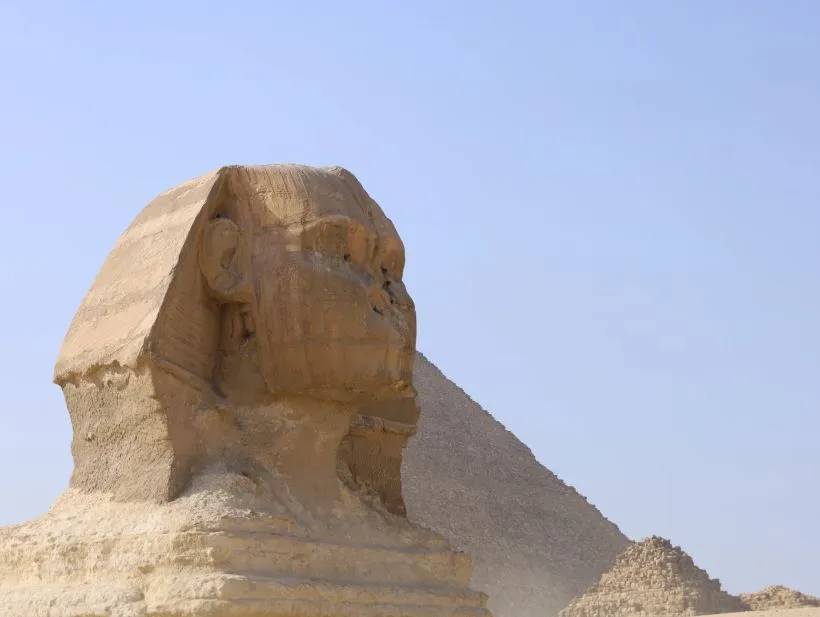
The Great Sphinx of Giza is more than just a massive limestone sculpture; it is the silent witness to the rise and fall of civilizations. Standing sentinel on the Giza Plateau, this half-human, half-lion hybrid has intrigued travelers, conquerors, and scholars for over 4,500 years. As you gaze into its weathered eyes, you are looking back into the heart of ancient Egyptian mythology, royal authority, and engineering prowess.
In this comprehensive guide, we will dive deep into the history, architectural majesty, and the enduring mysteries that make the Sphinx the ultimate bucket-list destination for any traveler visiting Egypt.
Historical Background: The Dawn of the Old Kingdom
While the exact origins of the Sphinx remain a subject of scholarly debate, the prevailing consensus among Egyptologists places its construction during the 4th Dynasty of the Old Kingdom (c. 2558–2532 BCE).
Most historians attribute the construction of the Sphinx to Pharaoh Khafre, the son of Khufu (builder of the Great Pyramid). The architectural alignment of the Sphinx with Khafre’s pyramid and its surrounding funerary complex suggests that it was designed to serve as a royal guardian. In ancient Egyptian iconography, the lion was a solar symbol and a manifestation of divine power, while the human head represented the intellect and authority of the reigning monarch.
Architectural Engineering: Carving a Giant from Bedrock
The construction of the Sphinx is a testament to the unparalleled engineering skills of the ancient Egyptians. Unlike the Pyramids, which were built block by block, the Sphinx was carved directly out of a single monolithic limestone ridge.
Key Technical Facts:
Dimensions: It stretches 73 meters (240 feet) in length and stands 20 meters (66 feet) high.
The Process: Thousands of skilled laborers utilized copper chisels, dolerite stone hammers, and abrasive sand to meticulously shape the bedrock.
Structural Composition: The limestone of the Giza Plateau varies in quality. The head, carved from a harder stratum, has survived the elements remarkably well, while the body, carved from softer, more porous limestone, has suffered significant erosion over the millennia.
The Enigma of the Sphinx: Theories and Mysteries
The Sphinx is the epicenter of some of the most fascinating theories in archaeology. Its missing nose and the eroded state of its body have fueled centuries of speculation.
- The "Older-Than-Dynastic" Theory
Geologist Robert Schoch sparked a major controversy in the 1990s by proposing that the vertical erosion patterns on the Sphinx and its enclosure walls were caused by prolonged, heavy rainfall. Since such rainfall patterns in Egypt stopped thousands of years before the Old Kingdom, some suggest the Sphinx could be significantly older—perhaps dating back to 9,000 BCE or earlier.
- The Hall of Records
A persistent legend suggests the existence of a "Hall of Records" hidden beneath the Sphinx’s paws. Proponents of this theory, influenced by historical esoteric traditions, believe that a secret chamber houses the lost wisdom of the civilization of Atlantis or advanced ancient technology. While ground-penetrating radar scans have revealed anomalies, no physical entrance to such a chamber has been confirmed by the Egyptian Ministry of Antiquities.
- The Missing Nose
Contrary to popular myth, the nose was not shot off by Napoleon’s soldiers. Sketches by Danish traveler Frederic Louis Norden in 1737 show the nose missing long before Napoleon arrived in Egypt. Most historians now attribute the damage to a 14th-century Sufi Muslim zealot, Muhammad Sa'im al-Dahr, who reportedly vandalized it in an attempt to curb idolatry.
Visitor’s Guide: How to Experience the Sphinx
Planning a visit to the Giza Plateau requires preparation to ensure you get the most out of this wonder of the world.
Opening Hours
Daily: The Giza Plateau is open from 8:00 AM to 5:00 PM (winter months may close earlier at 4:00 PM).
Best Time to Visit: Arrive early at 8:00 AM to avoid the large tour bus crowds and the midday heat.
How to Get There
By Taxi/Uber: The most convenient method from downtown Cairo. Ensure your driver drops you at the official "Entrance Gate" near the Great Pyramid or the Sphinx entrance.
By Metro: You can take the Cairo Metro to Giza Station and then take a microbus or taxi for a short ride to the plateau.
Private Guided Tours: For the most seamless experience, booking through a reputable operator like Desert Cruise Travel is highly recommended. We handle the logistics, tickets, and local transportation, allowing you to focus on the history.
Why Desert Cruise Travel?
Exploring the Sphinx is not just about seeing a statue; it is about understanding a civilization. At Desert Cruise Travel, we turn your visit into a narrative journey.
Expert Guides: Our Egyptologists bring the stones to life with historical context that goes beyond basic facts.
Exclusive Access: We offer specialized itineraries that include sunset viewing spots, providing the perfect lighting for photography and a more spiritual connection to the monument.
Tailor-Made Packages: Whether you are looking for a luxury tour or an adventurous exploration, we customize every detail.
Frequently Asked Questions
Was the Sphinx originally painted?
Yes, chemical analysis of the monument suggests that it was originally painted in vibrant colors, with red on the face and yellow and blue on the headdress.
Does the Sphinx face a specific direction?
Yes, it faces true east, perfectly aligned with the rising sun on the equinoxes, reflecting the ancient Egyptians' deep connection with solar worship.
Can I touch the Sphinx?
No. To preserve the fragile limestone, visitors must remain behind the designated security barriers.
Conclusion
The Great Sphinx of Giza continues to guard its secrets, standing as a bridge between the mortal realm and the divine. Whether you are a history buff, a seeker of mysteries, or a traveler chasing the beauty of ancient wonders, the Sphinx promises an experience that defies time.
Ready to start your journey into the past?