
Travel Guide
Discover Serene Eid el Adha in Egypt’s Celebrations
38 min read
As the first light of dawn touches the limestone peaks of the Minarets of Al-Azhar, a rhythmic, hauntingly beautiful chant begins to rise over the waking city of Cairo. “Allahu Akbar, Allahu Akbar…” The Takbirat of Eid echoes through the narrow alleys of Khan el-Khalili and across the quiet waters of the Nile, signaling the [...]
As the first light of dawn touches the limestone peaks of the Minarets of Al-Azhar, a rhythmic, hauntingly beautiful chant begins to rise over the waking city of Cairo. “Allahu Akbar, Allahu Akbar…” The Takbirat of Eid echoes through the narrow alleys of Khan el-Khalili and across the quiet waters of the Nile, signaling the start of eid al adha in egypt .
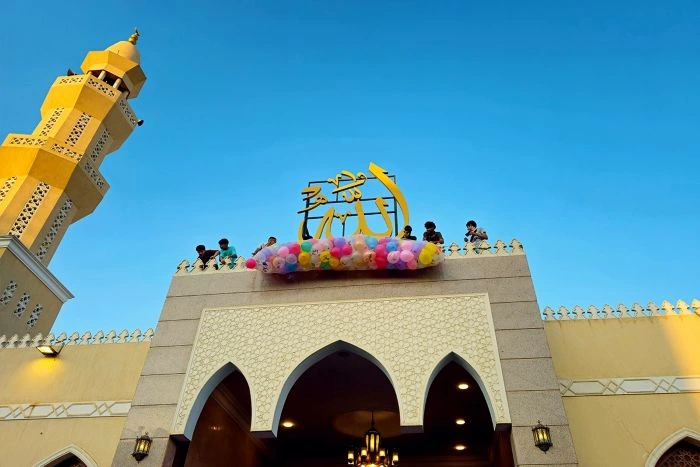
For the traveler, Egypt during Eid is not just a destination; it is a sensory explosion. It is the scent of roasting garlic and vinegar drifting from kitchen windows, the sight of children in crisp, new clothes chasing balloons in public squares, and a profound sense of communal generosity that transcends social boundaries. At Desert Cruise, we believe that true luxury lies in these authentic moments. Whether you are navigating the historic pulse of Cairo or escaping to the silent majesty of the Great Sand Sea, celebrating Eid in Egypt offers a glimpse into the very soul of the Orient.
The Essence of Eid al-Adha in Egypt: History and Spirit
To truly appreciate the festivities, one must understand the layers of history that define this “Great Feast” (known locally as Eid el-Kbir).
- The Story of Prophet Ibrahim: A Universal Echo
At its core, Eid al-Adha commemorates the devotion of the Prophet Ibrahim (Abraham). The story of his willingness to sacrifice his son, and the subsequent divine intervention of a ram, is a narrative woven into the fabric of the three Abrahamic faiths. In Egypt, this isn’t just a religious lesson; it is a lived philosophy. It represents the ultimate triumph of faith over fear—a theme that resonates deeply with the spirit of adventure we champion at Desert Cruise. Travelers will notice that the holiday is defined by this “spirit of the gift,” where the focus shifts from the self to the community.
- Egypt’s Unique Cultural Twist: From Fatimids to the Modern Day
While Eid is celebrated across the Islamic world, Egypt adds its own inimitable “flavor.” During the Fatimid Caliphate, Cairo was the center of lavish processions where the Caliph himself would ride through the streets in gold-embroidered robes. Today, that grandeur survives in the way Egyptians embrace the holiday. There is a specific Egyptian joie de vivre—a blend of ancient Pharaonic social customs and Islamic tradition—that makes the celebration here more vibrant, louder, and more inclusive than anywhere else in the Middle East.
- The Significance of “Udhiva”: The Ritual of Charity
The ritual sacrifice of livestock (the Udhiva) is the cornerstone of the holiday. However, for the discerning observer, the beauty lies in the distribution. Tradition dictates that the meat is divided into three equal parts: one for the family, one for relatives, and one for the underprivileged. In the days leading up to Eid, you will see temporary stalls and “charity boxes” appearing across the city, a testament to Egypt’s enduring social contract of ensuring no one goes hungry during the feast.
- Calendar and Timing: Navigating the Lunar Cycle
Eid al-Adha falls on the 10th day of Dhu al-Hijjah, the final month of the Islamic lunar calendar. Because the lunar year is shorter than the Gregorian year, the dates shift forward by about 11 days annually. For 2026, the celebration is expected to grace the early days of June. This timing offers a unique atmospheric window for travelers: the warmth of the Egyptian sun is rising, making the cool Nile breezes and evening desert excursions even more refreshing and vital.
Key dates around Eid al Adha 2026
- Arafat Day (Day of Arafah): Expected on Tuesday, 26 May 2026 (9 Dhul Hijjah).
- Eid al Adha public holiday in Egypt: Generally listed as starting 27 May 2026, with a 3‑day holiday for workers and schools.
If you’re planning trips or content targeting “eid al adha in egypt,” use 27 May 2026 as the main focus date, and mention that final confirmation may shift by one day depending on local moon‑sighting.
The Visuals of Eid: Preparations and "The Atmosphere
The week leading up to Eid is a masterclass in anticipation. The energy in the streets is palpable, transforming the landscape of Egypt’s cities and villages.
- The Bustle of the Livestock Markets
Nowhere is the “spirit of the feast” more visible than in the livestock markets. From the outskirts of Giza to the rural heart of the Delta, the Souq al-Mawashi (cattle market) becomes a theater of negotiation and tradition. Traders from Upper Egypt arrive with herds of sheep, goats, and cattle. For the adventurous traveler, visiting these markets (with a private guide) offers a raw, unfiltered look at Egyptian commerce—a dusty, chaotic, and fascinating display of heritage that hasn’t changed in centuries.
- Fashion and “Eid Clothes”: A Nation Transformed
There is an unwritten rule in Egypt: everyone must wear something new for Eid. In the final nights of Ramadan and the days preceding the feast, shopping districts like Heliopolis, Maadi, and Downtown Cairo stay open until the small hours of the morning. Tailors work overtime, and boutiques are packed. On the first day of Eid, the streets look like a high-fashion runway of traditional Galabeyas and the latest modern trends, as families step out in their finest attire to visit relatives.
- Home Decorations and the Scent of Preparation
Inside the Egyptian home, the preparation is meticulous. Houses are deep-cleaned, and the scent of Bakhour (incense) fills the air. Flowers are bought in abundance, and special “Eid trays” are prepared with nuts, chocolates, and sweets. For the luxury traveler staying in a boutique heritage hotel or a private villa, you will notice these subtle touches—the extra effort in hospitality that characterizes the Egyptian host during this sacred time.
- The Grand Prayer (Salat al-Eid): A Visual Spectacle
The climax of the preparation is the morning prayer. Shortly after sunrise on the first day, millions of Egyptians gather in “Open-Air Prayer Grounds” (Mushallas). The sight of thousands of worshippers bowing in unison against the backdrop of Cairo’s historic architecture—such as the Sultan Hassan Mosque or the sprawling parks of New Cairo—is one of the most powerful visual experiences in the world. It is a moment of profound silence followed by an explosion of joy, handshakes, and “Eid Mubarak” greetings that fill the air as the prayer concludes.
What are the Secrets of the Egyptian Kitchen During the "Feast of Meat"?
In Egypt, Eid al-Adha is colloquially known as Eid el-Lahma (the Meat Eid). For the gourmet traveler, this is a period of unparalleled culinary richness, where ancient recipes are revived in both humble homes and the high-end kitchens of Cairo’s five-star establishments.
- The Architecture of the Legendary “Fatta”
If Eid had a scent, it would be the aroma of garlic and vinegar sautéing in clarified butter (Samna). This is the base for Fatta, the undisputed crown jewel of the Eid table. To understand Fatta is to understand Egyptian history; it is a dish of layers. It begins with a foundation of crispy, oven-toasted flatbread, soaked in rich meat broth, topped with a mountain of fluffy white rice, and finished with a zesty tomato-garlic sauce. At Desert Cruise, we recommend experiencing this at a heritage restaurant in Old Cairo, where the beef is slow-cooked until it melts at the touch of a fork.
- Beyond the Bowl: Riggag and the Art of Pastry
While Fatta takes the spotlight, Riggag is the sophisticated supporting actor. These are thin, unleavened pastry sheets layered with spiced minced beef and soaked in broth until they reach a texture that is simultaneously crispy and tender. It is the Egyptian answer to lasagna, but with a savory, buttery depth that is uniquely Middle Eastern. For the luxury traveler, many upscale Nile-side restaurants offer modern interpretations of Riggag, sometimes infused with truffle oil or local artisanal cheeses.
- The Ritual of the Grill: Kebab, Kofta, and “Nifa”
As the sun sets on the first day of Eid, the air across Egypt fills with the smoke of charcoal grills. Grilling is not just a cooking method; it’s a social event. From the street-side vendors to the private terraces of Zamalek, the sound of sizzling Kebab (succulent cubes of lamb) and Kofta (spiced ground meat skewers) is omnipresent. A specific delicacy to seek out is Nifa—slow-roasted goat meat, often prepared in underground ovens, resulting in a smoky, fall-off-the-bone tenderness that satisfies the most adventurous palate.
- The “Nose-to-Tail” Tradition: For the Culinary Adventurer
In the spirit of honoring the entire sacrifice, Egyptians are masters of “offal” cuisine. Dishes like Mombar (spiced rice-filled sausages), Kersha (tripe), and Lisan (tongue) are prepared with incredible complexity. While these may seem daunting, for the traveler seeking the “True Egypt,” tasting a perfectly seasoned Mombar in a luxury setting is a rite of passage that bridges the gap between folk tradition and culinary art.
How Does Cairo Live the Pulse of Eid? Between the Nile and the Ancient Alleys
Why Choose a Desert Escape with "Desert Cruise" During the Eid Holidays?
While Cairo and Alexandria pulse with urban energy, a different kind of magic unfolds in the deep silence of Egypt’s Western Desert. For the discerning traveler, Eid al-Adha is the perfect time to trade the city’s roar for the whisper of the dunes.
- The Luxury of Solitude: Escaping the Holiday Crowds
In a country of over 100 million people, “quiet” is the ultimate luxury during a national holiday. A private expedition into the desert allows you to bypass the long queues at the Pyramids and the traffic of the Corniche. At Desert Cruise, we curate itineraries that place you in the heart of the wilderness, where the only “crowd” is the canopy of stars above. It is a profound way to reflect on the spiritual meaning of Eid—sacrifice, gratitude, and peace—away from the modern distractions of the city.
- Siwa Oasis: A Journey into Ancient Berber Traditions
Siwa is a world unto itself. During Eid al-Adha, the Siwi people (who speak their own Berber language) celebrate with a blend of Islamic tradition and ancient North African customs. Imagine staying in an eco-luxury lodge built of Kershef (salt and mud bricks), where your Eid lunch is served under the shade of a thousand palm trees. In Siwa, the “Feast of Meat” often involves communal slow-cooking in traditional sand ovens, a culinary technique that imparts a flavor profile you won’t find anywhere else in the world.
- The White Desert: Glamping Under the Milky Way
The White Desert, with its surreal chalk formations that look like giant mushrooms and icebergs, offers the most dramatic backdrop for an Eid celebration. Desert Cruise elevates the “camping” experience to a five-star “glamping” affair. Picture this: as the sun sets, your private chef prepares a traditional lamb Zarb (meat cooked underground) while you lounge on silk cushions by a crackling fire. It is an adventurous tribute to the tradition of the sacrifice, served with the sophistication of a fine-dining establishment.
- Fayoum & Magic Lake: Where the Desert Meets the Water
For those who want a shorter escape, the Fayoum Oasis provides a perfect blend of adventure and relaxation. The “Magic Lake,” tucked between towering dunes, remains remarkably peaceful during the Eid break. Here, you can spend your morning sandboarding down golden slopes and your afternoon enjoying a private boat ride. It is the ideal destination for families seeking a “luxury reboot,” combining the ruggedness of the desert with the serenity of the water.
Where to Find Ultimate Coastal Luxury on the Red Sea During Eid?
f the desert represents the “Spirit of Adventure,” the Red Sea represents the “Spirit of Glamour.” During Eid al-Adha, Egypt’s coastline becomes the playground for the Middle East’s elite, offering a sophisticated alternative to the traditional inland festivities.
- El Gouna: The “Venice of the Red Sea”
El Gouna is the undisputed capital of chic during the Eid holidays. This privately-owned town is a labyrinth of turquoise lagoons and world-class architecture. During the feast, El Gouna’s marinas—Abu Tig and the New Marina—become hubs of high-end activity. From yacht parties to exclusive beach club events at The Smokery or Club 88, the atmosphere is one of refined celebration. For the Desert Cruise guest, we arrange private villa stays that offer total seclusion while keeping you minutes away from the most fashionable dining spots in the country.
- Sharm El Sheikh & Hurghada: A Contrast in Vibes
While both cities are world-renowned, they offer different Eid experiences. Sharm El Sheikh, particularly the Soho Square and Nabq areas, leans into international luxury with spectacular light shows and gala dinners. Hurghada, meanwhile, offers a more sprawling, resort-focused experience. For the traveler seeking the “premium” path, we focus on the Sahl Hasheesh enclave—an ultra-exclusive bay south of Hurghada where the promenade is lined with fountains and the hotels are true architectural masterpieces.
- Diving the Red Sea: Finding Peace Beneath the Surface
While the land celebrates with music and feasts, the underwater world of the Red Sea remains a sanctuary of silence. Eid is an incredible time for diving or snorkeling in the Ras Mohammed National Park. The schools of Barracuda, the vibrant coral gardens, and the majestic Whale Sharks (often spotted in these months) provide a different kind of spiritual awe. Desert Cruise offers private live-aboard experiences, allowing you to spend the four days of Eid moving from one pristine dive site to another, far from the holiday hustle.
- Marsa Alam: The Last Frontier of Untouched Luxury
For the traveler who finds El Gouna too “busy,” Marsa Alam is the answer. It is further south, wilder, and infinitely more peaceful. Here, luxury is defined by the proximity to nature. Staying at a high-end boutique resort near Port Ghalib allows you to witness the local Eid celebrations in the nearby villages—which are much more intimate and traditional—while having access to some of the best-preserved marine life in the world, including the rare Dugong.
VII. What Essential Logistics Should You Know to Navigate Egypt During Eid?
Navigating a country during its most significant national holiday requires more than just a map; it requires an insider’s understanding of the “Eid rhythm.” At Desert Cruise, we specialize in smoothing these logistical wrinkles for our guests.
- Managing Transport and the “Eid Exodus”
In the days leading up to the feast, Egypt experiences a massive internal migration. Hundreds of thousands of Cairenes return to their ancestral villages in the Delta or Upper Egypt. This means that trains, buses, and domestic flights are booked weeks in advance. For the luxury traveler, we recommend avoiding public transport entirely. Utilizing private chauffeured transfers is not just about comfort; it is about bypassing the chaotic hubs of Ramses Station or the Cairo Bus Terminal. If you are planning to travel between cities during the first and last days of Eid, allow for extra travel time even with a private driver.
- Understanding Holiday Opening Hours
The first day of Eid is a total “shutdown” for most government offices, banks, and many private businesses. However, Egypt is a service-driven economy. While small neighborhood shops might close for the first 48 hours, major shopping malls (like Mall of Egypt or City Stars) and pharmacies remain open. Most importantly, major tourist sites—including the Giza Plateau, the Egyptian Museum, and the Valley of the Kings—remain open to visitors, though they may operate on slightly shorter “holiday hours.” Always verify with your Desert Cruise concierge before heading out.
- Weather and Packing for the Early Summer Heat
As Eid al Adha in Egypt falls in early June for 2026, the Egyptian sun will be in its full, radiant glory. Temperatures in Cairo will hover around 35°C (95°F), while Luxor and Aswan can easily exceed 40°C (104°F). High-quality linen clothing, polarized sunglasses, and broad-spectrum SPF are non-negotiable. For our desert expeditions, we advise packing a light scarf—not just for cultural modesty when entering mosques, but as protection against the sun and occasional sand breezes during dune drives.
- Health and Safety for the Luxury Traveler
With the “Feast of Meat” comes a significant increase in street activity. While Egypt is remarkably safe for tourists, the sheer volume of people in public squares can be overwhelming. We recommend dining at established, high-end restaurants where food hygiene standards are strictly monitored, especially during a holiday focused on fresh meat. Additionally, ensure your travel insurance is up to date, and keep the contact details of your private guide handy at all times for seamless navigation through crowded areas.